
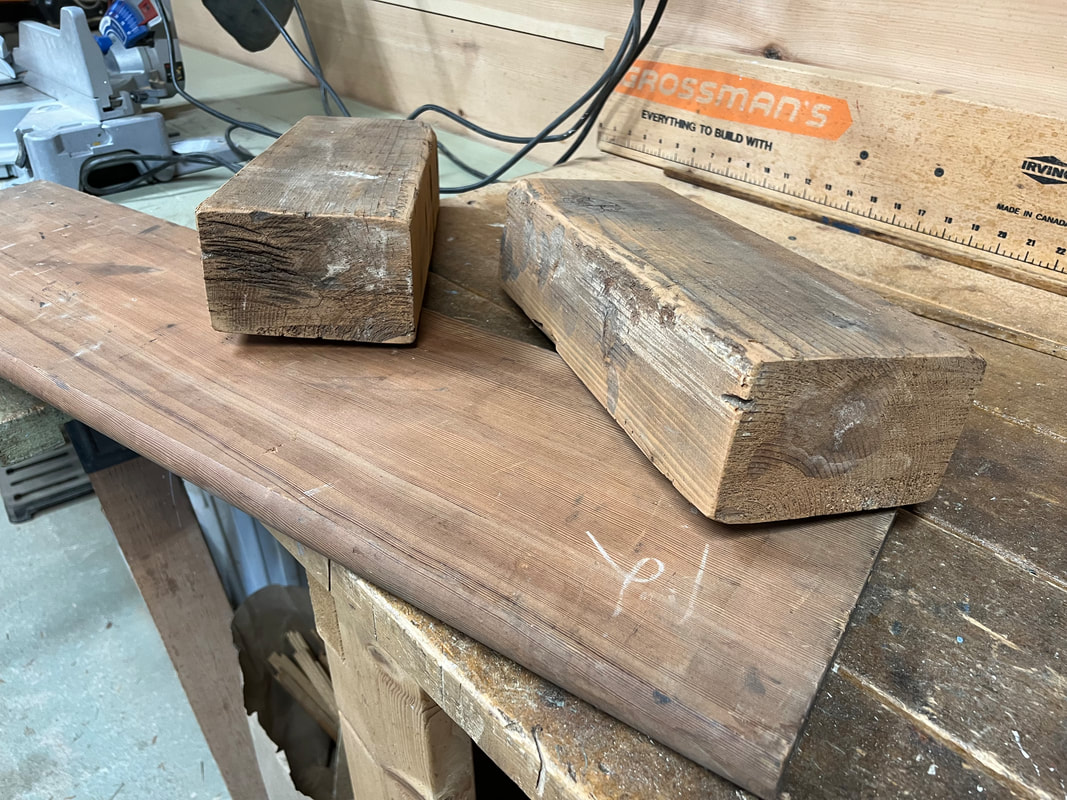
 This stair tread and two pieces of a beam were from a home from 1888. Very little could be learned about the home but a wealth of knowledge emerged about the neighborhood, its residents and the man whose name it bears. One of the more interesting aspects of these products is the real and imagined stories behind this wood. Whether the wood comes from a turn-of-the-century home, or the early 1800's, it's natural to start imagining what life might have been like. I'm often asked about the actual histories and how I learn about them. The reality is that each time I source wood, it's unclear what will be possible. Some information can be learned from the wood itself: was it hand-hewn? Does the milling look rough or more refined? Is it quarter-sawn, which is a more involved milling process suggesting a more affluent customer? Are there hand-forged nails? These all help figure out hints on the family and at what point in the house's life the wood was used. Notches, angles, signs of horsehair plaster, thicker beams, and tongue-and-groove milling help suggest how the wood was used. 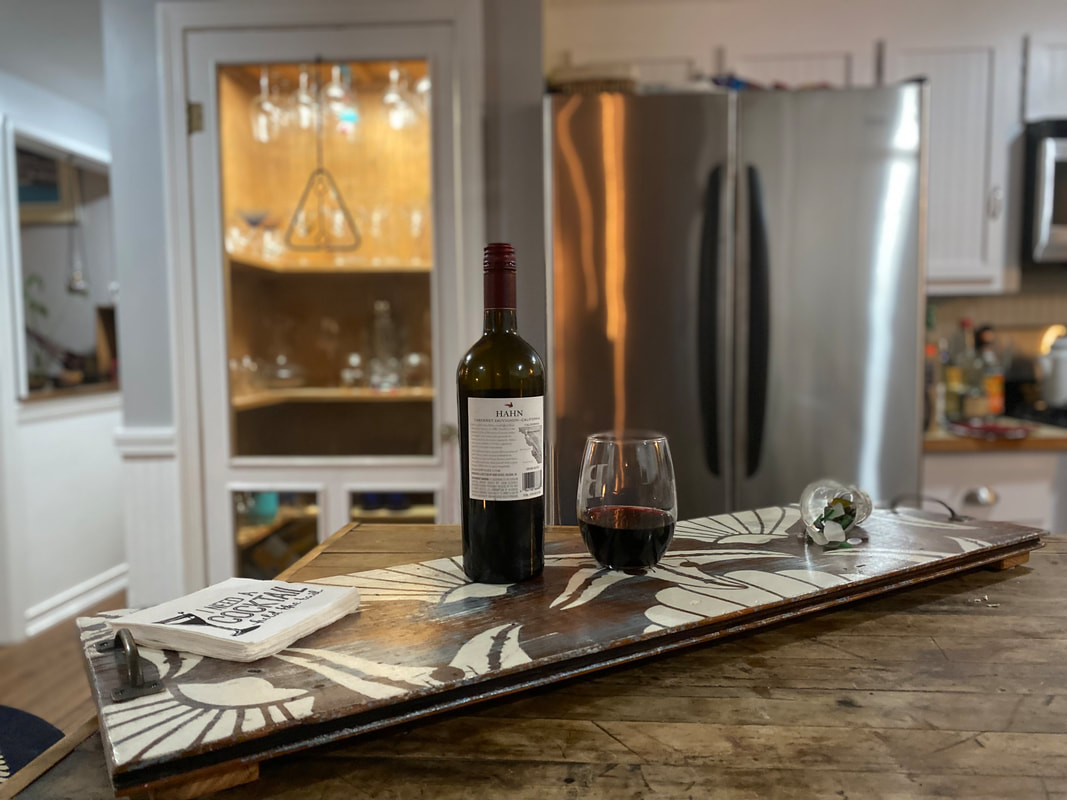 The sides showed this to be a wallboard, with wallpaper on the opposite side. The milling and wallpaper style showed it likely as mid-1800's, making it original to the house. The town showed the address' main historical owner who research then showed to be a prominent businessman in town. State and town historical sites sometimes identify the property and its owners. That information, coupled with Ancestry and other genealogy sites, digitized newspapers from the 1800's and 1900's, and other online sources can help tease out the people and stories. Even when there are knowledge gaps, any information - including of the neighborhood or an owner's ancestors - can become interesting points to ponder. Sometimes there are dead ends. But there have also been barrel-makers, sea captains, grocers, grain merchants, and early real estate speculators among others. Regardless of occupations and bygone eras, there are similarities with our lives today: they had hopes and dream, failures and setbacks, triumphs and tragedies, loves and losses, and laughs and tears, all while watching their lives and the lives around them unfold. Each purchase has a card with a summary of what is known about the history. As each new load of wood is different, those that revealed enough secrets have a longer document that is written up. This can be emailed to a customer. It can make for interesting conversation and a small but good moment in the arc of your own lives.
0 Comments
Leave a Reply. |
Jay BellGiving you the occasional peek behind the curtain... or more appropriately, the barn door. Archives
January 2024
Categories |
 RSS Feed